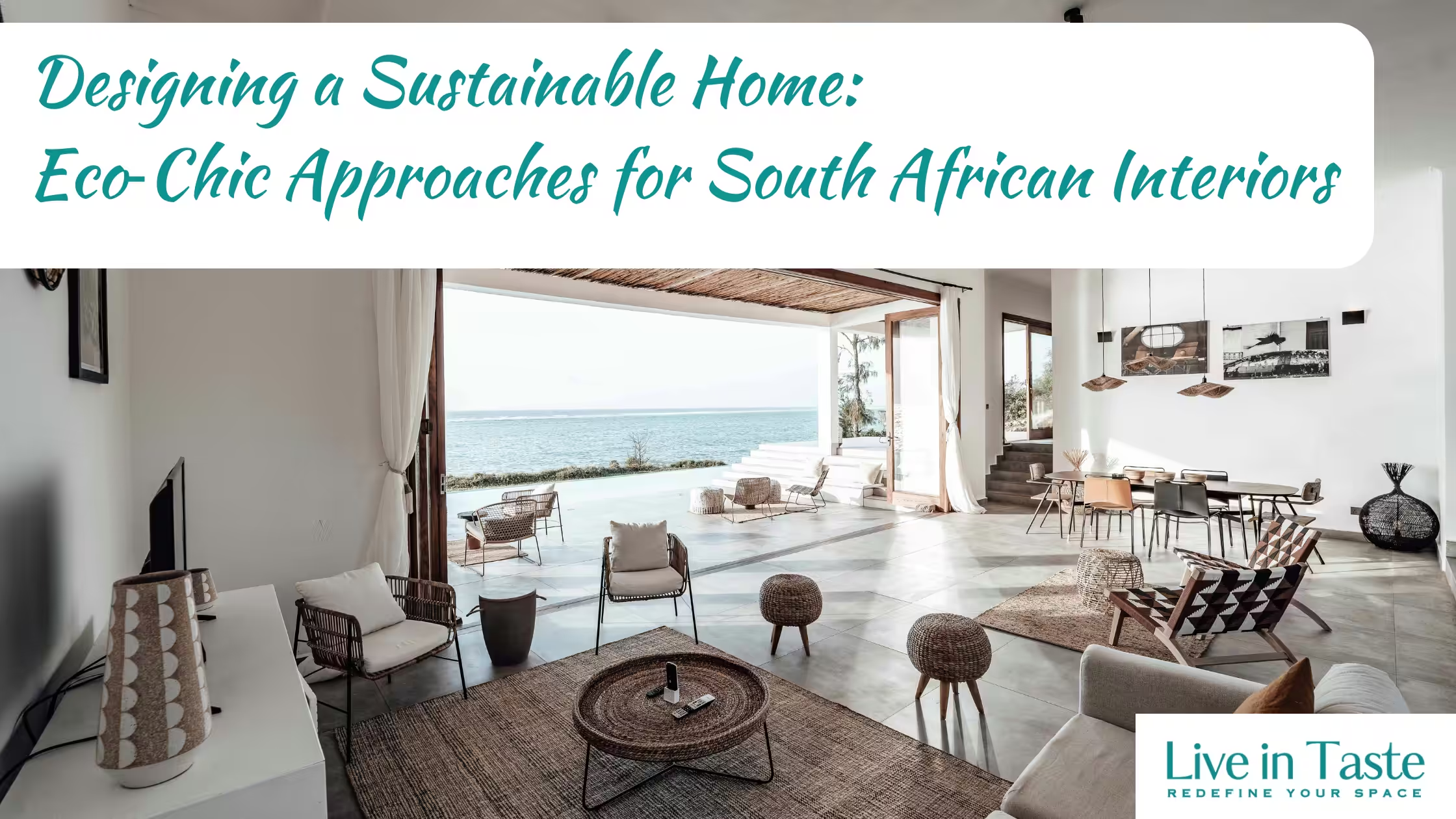
Creating a home that is both beautiful and kind to the planet is no longer a niche ideal — it’s essential, especially in South Africa, where climate, energy and water constraints are part of daily life. In this post, we explore eco‑chic strategies that suit South African interiors: from passive design principles and recycled finishes to locally sourced craft and greenery. Use these ideas to shape a home that feels grounded, stylish and future‑smart.
What Does “Sustainable Interior Design” Mean in Our Context?
Sustainable interior design is about reducing environmental impact while enhancing comfort, durability and aesthetics. It includes choices like energy efficiency, responsible sourcing, waste reduction, and supporting local artisans. In South Africa, it also means adapting to our climate — think heat, drought, sunlight and airflow.
Passive Design & Climate‑Responsive Strategies
Before choosing materials or furniture, the building’s orientation, shading, insulation and ventilation decisions matter most. In the Cape Winelands, here’s how you can apply passive design:
- Orientation & window placement: Maximise northern sun in winter; use deep overhangs or brise‑soleil to block summer sun.
- Cross ventilation: Strategically placed windows and louvres let breezes flow through a home.
- Thermal mass & insulation: Use stone, concrete or rammed earth for floors or walls to absorb heat by day and release it at night.
- Roof & eaves design: Extend eaves to protect walls from direct sun and rain, and consider insulated roofing systems.
Recycled, Reclaimed & Local Materials
Using recycled, reclaimed and locally made materials lowers carbon footprint and tells a richer story. According to Essops Home, many South African interiors are shifting to recycled wood, metals, and supporting local artisans.
Some ideas:
- Reclaimed wood: Floorboards, wall cl:contentReference[oaicite:1]{index=1} made from old barns, fences or factory offcuts.
- Recycled metal & glass: Feature lighting or decorative accents made from salvaged steel or glass bottles.
- Natural fibre textiles: Use hemp, linen, jute or local wool for rugs, upholstery and curtains.
- Locally crafted joinery: Commission bespoke pieces from Cape artisans — for example, Ubuntu style carpentry or artisan joiners like Woodheads or Libra Joiners to reduce shipping footprint.
Energy, Lighting & Water Smart Choices
A beautifully :contentReference[oaicite:3]{index=3}an also be a high‑performer in energy and water use.
- LED & solar lighting: Use LED bulbs and, where possible, integrate solar panels or solar tubes to reduce daytime lighting load.
- Low‑VOC or natural paints and finishes: Choose paint brands that are low in volatile organic compounds (VOCs) for healthier indoor air.
- Water-conscious plumbing: Fit low-flow taps, dual-flush toilets, and consider rainwater harvesting for garden or toilet flushing.
- Smart shading & blinds: Automated blinds or shading systems can adjust to sun angles, reducing heat gain without manual effort.
Plants, Air Quality & Biophilic Integration
Greenery isn’t just decorative — it improves air quality, reduces stress and connects us to nature. Biophilic design is a core pillar of sustainable interiors.
- Indoor plant zones: Use grouping of plants (e.g. ferns, philodendrons, spider plants) to create a “green wall” effect.
- Living walls and planters: Where structure allows, integrate vertical planters in courtyards or along internal light wells.
- Natural ventilation & air exchange: Encourage passive fresh air flow rather than sealed air conditioning.
- Non‑synthetic rugs and carpets: Use wool, sisal or jute rather than synthetic nylon or polypropylene.
Balancing Aesthetics and Longevity
To avoid “eco décor” feeling too fussy or dated, balance your choices with timeless elements. Consider:
- Quality over quantity: Invest in a few standout sustainable pieces (e.g. solid wood dining table, handcrafted joinery) rather than many cheap items.
- Neutral anchor palette: Use neutral tones as a base and layer texture, colour or pattern through sustainable accents.
- Modular and flexible pieces: Furniture that can adapt (extendable tables, modular shelving) adds sustainable value by staying useful longer.
- Repurpose & upcycle: Refurbish existing furniture — sand, re-stain, reupholster — rather than replacing wholesale.
Frequently Asked Questions (FAQ)
Q: Is sustainable design more expensive up front?
A: Sometimes it can be, especially with bespoke or artisan work. But the long‑term savings — in energy, durability and environmental cost — often outweigh the initial premium.
Q: Can I retrofit eco‑friendly measures in an existing home?
A: Yes. You can add insulation, double glazing, efficient lighting, water management systems and upgrade finishes gradually over time.
Q: Will sustainable materials limit my style?
A: Not at all. Many sustainable materials (reclaimed wood, natural fibres) have rich texture and character. They offer more design depth than mass‑produced alternatives.
Q: Which local South African suppliers or artisans do you recommend?
A: For high-quality leather and materials, Woodheads is a trusted name. For bespoke joinery, Libra Joiners in Cape Town is excellent. Another is Spotlight Joinery.
Conc:contentReference[oaicite:5]{index=5}Sustainable home in South Africa is not just about following trends — it’s a commitment to place, climate and care. Through passive design, recycled materials, smart systems and green interiors, you can create a home that feels nuanced, healthy and timeless.
Ready to begin your eco‑chic transformation? Book a consultation with Live in Taste and let us help you build a home that honours both beauty and earth.
To learn more about sustainable interior approaches globally, visit ArchDaily’s sustainable design section.